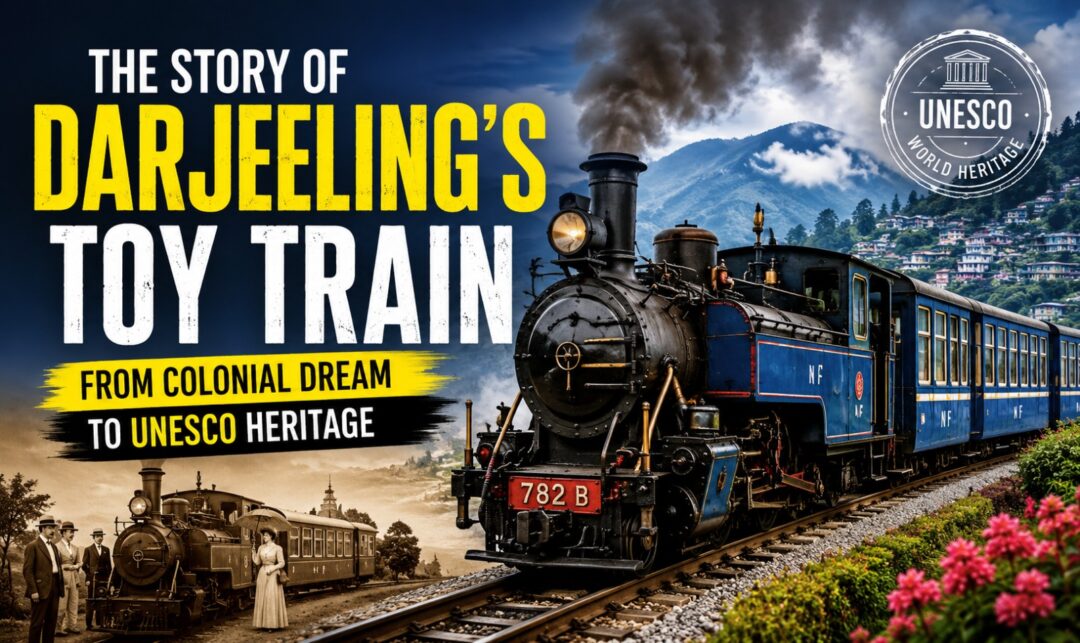
The Darjeeling Himalayan Railway, more popularly known as the Darjeeling Toy Train, is one of India’s most iconic railways. This narrow gauge railway has been delighting travelers for over a century, winding through misty hills, tea gardens and charming mountain towns.
Today it is home to a UNESCO World Heritage Site and a symbol of engineering excellence.

A Colonial Vision
The idea of the Toy Train was born in the late 19th century when the British were looking for a reliable mode of transport to connect the plains of West Bengal with the hill station of Darjeeling.
Construction began in 1879 and the railway was officially opened in 1881, revolutionising travel and trade in the region.
The Engineering Wonder
The railway is on a narrow-gauge track and climbs steep mountain sides with loops, zigzags and sharp curves. One of its greatest engineering feats is the famous Batasia Loop, which offers breathtaking views of the Himalayas.

Why the Toy Train is Special?
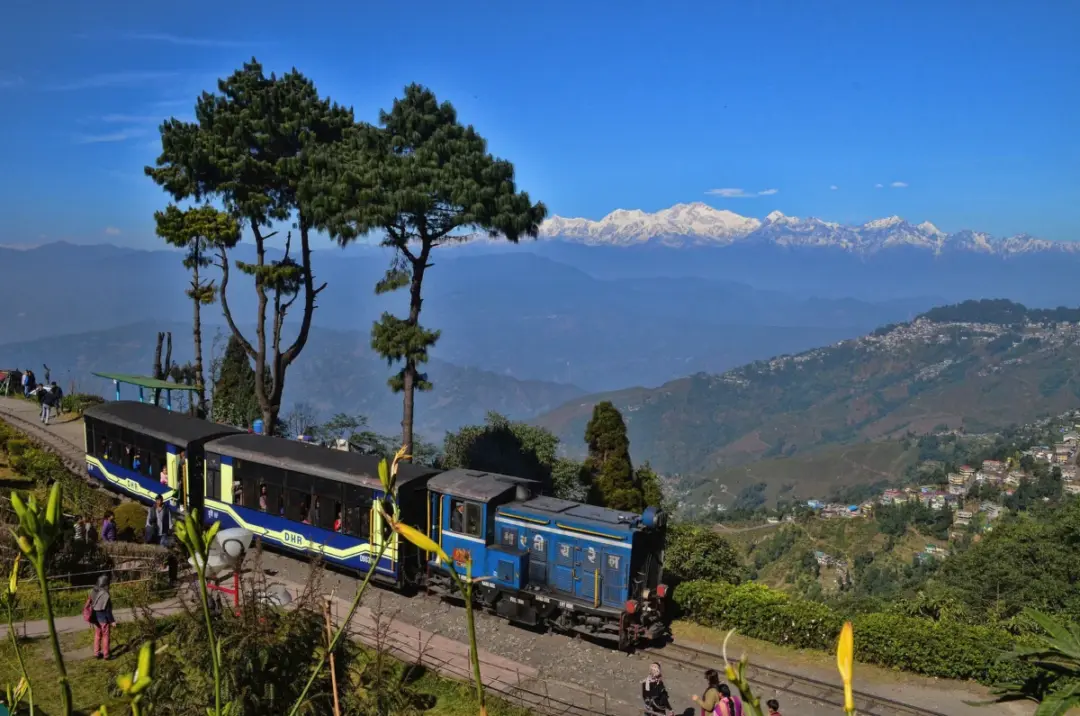
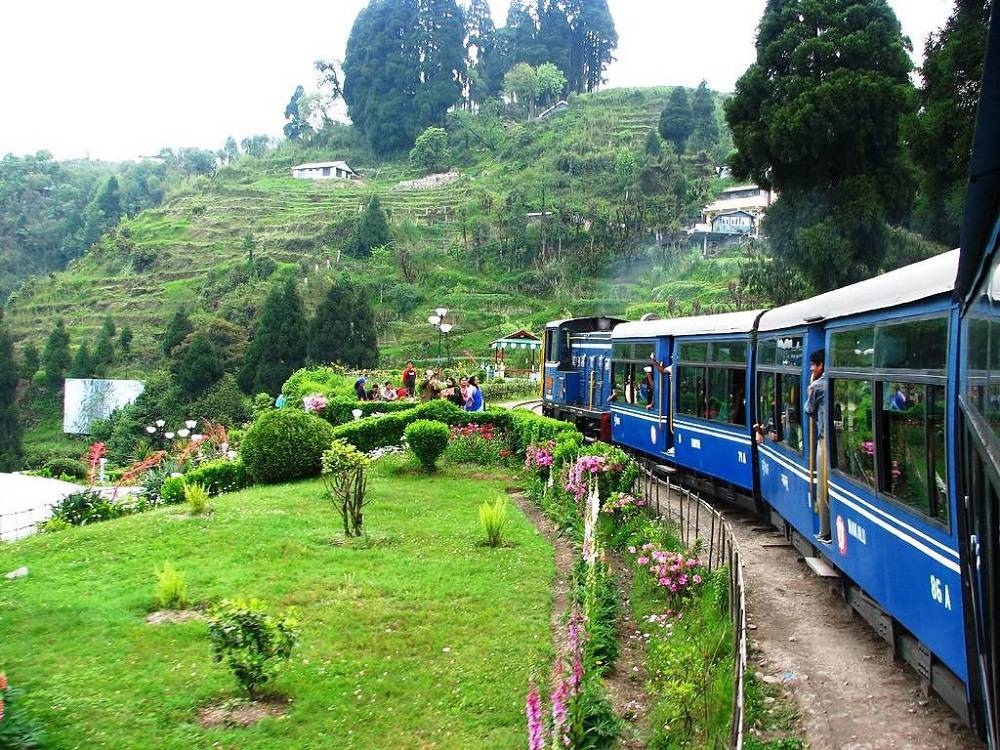
The Darjeeling Toy Train is not just a means of transport, it is a journey through history. For an unforgettable travel experience, heritage steam locomotives pull the train on many routes, past bustling markets, lush tea estates, forests and picturesque villages.

UNESCO World Heritage Recognition
In 1999, UNESCO declared the Darjeeling Himalayan Railway a World Heritage Site due to its historical significance, innovative engineering and ongoing operation. It was the first mountain railway in Asia to be granted this prestigious status.

Best Time to Experience
The Toy Train is best enjoyed from March to May and from October to December when the weather is pleasant and the mountain views are at their best. It is recommended to buy tickets in advance, especially during high season.
Suggested read: Darjeeling for Couples: 7 Must-Try Romantic Experiences in 2026
FAQs -
Why is the Darjeeling Toy Train famous?
It is famous for its beautiful Himalayan journey, historic steam locomotives and incredible mountain railway engineering.
When was Darjeeling Toy Train built?
Construction was started in 1879 and the railway opened in 1881.
Why is it a World Heritage Site by UNESCO?
It was recognized by UNESCO for its outstanding engineering, historical importance and preservation as an operating mountain railway.
How long does the Toy Train ride last?
The complete journey from New Jalpaiguri to Darjeeling takes several hours, but there are also shorter joy rides available for tourists.
For assistance:
Use the method that’s easiest for you – call, WhatsApp, or email – and we’ll help you choose the right plan.