
Managing your money wisely is an essential part of any trip to China. From exchanging currency to using digital payments, understanding how the local financial system works can help you save money and enjoy a hassle-free travel experience.

Understanding China's Currency
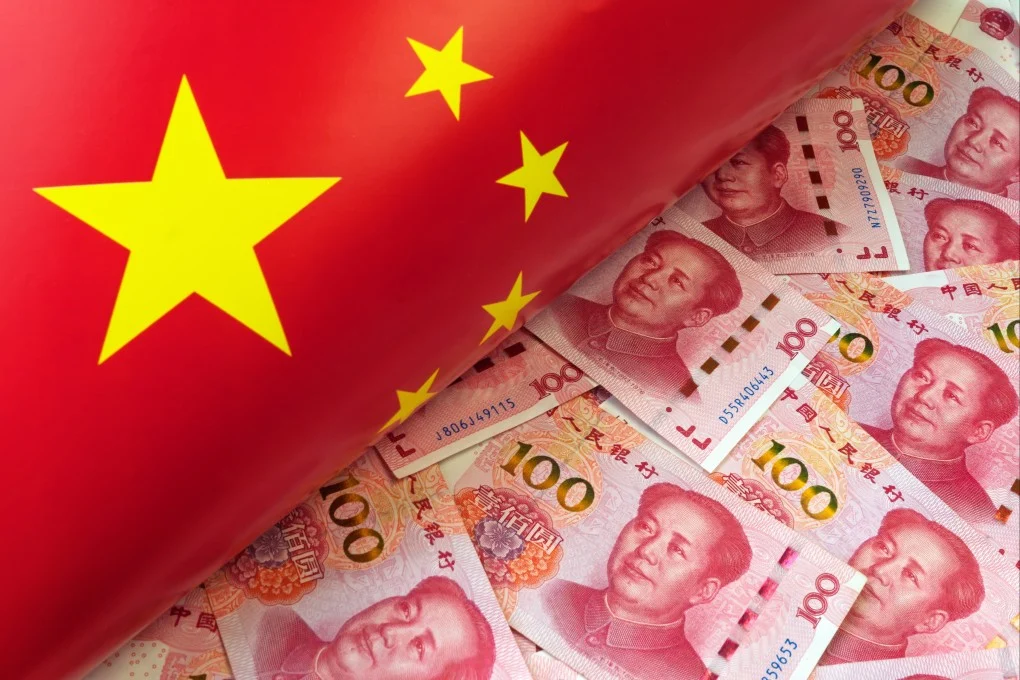
The official currency of China is the Chinese Yuan (CNY), also known as Renminbi (RMB). While major cities are increasingly cashless, carrying a small amount of cash is still useful for local markets, taxis, and small businesses.
Best Places to Exchange Currency
Banks
Banks tend to have competitive exchange rates and are one of the safest places to exchange foreign currency. Always have your passport on you. You’ll need it a lot.
Airports
Airport exchange desks are useful if you need cash when you arrive, but their rates are generally not as good as those of banks.
Hotels
Some hotels will change money for you, but you may get a poorer rate and pay a higher service charge than at a bank.

Using Cards and Digital Payments
Most hotels, shopping malls and bigger restaurants accept international credit and debit cards. But many local businesses prefer mobile payment apps, so having some cash is a good backup, especially outside big cities.

Smart Money Tricks
- Exchange Only What You Need: Do not convert large amounts of money at one time, especially if you are not sure about your spendings.
- Notify Your Bank: Inform your bank before you travel so they don’t block your card for international transactions.
- Retain Small Denominations: Small notes are handy for taxis, local shops and street vendors.
- Keep Exchange Receipts: If you want to exchange any remaining Yuan before you leave China, save your currency exchange receipts.

FAQs -
What is the official currency of China?
The currency used is the Chinese Yuan (CNY) – or Renminbi (RMB).
Can I use international credit cards in China?
Yes. But not everyone agrees. Big hotels and shopping centres usually take international cards but the smaller businesses may not.
Is it better to exchange money before arriving in China?
Changing a small amount before leaving can be useful, but in China banks offer good exchange rates.
Should I bring cash to China?
Yes. Digital payments are widely used, but it’s still a good idea to have some cash on hand for small purchases or places that don’t accept cards.

For assistance:
Use the method that’s easiest for you – call, WhatsApp, or email – and we’ll help you choose the right plan.