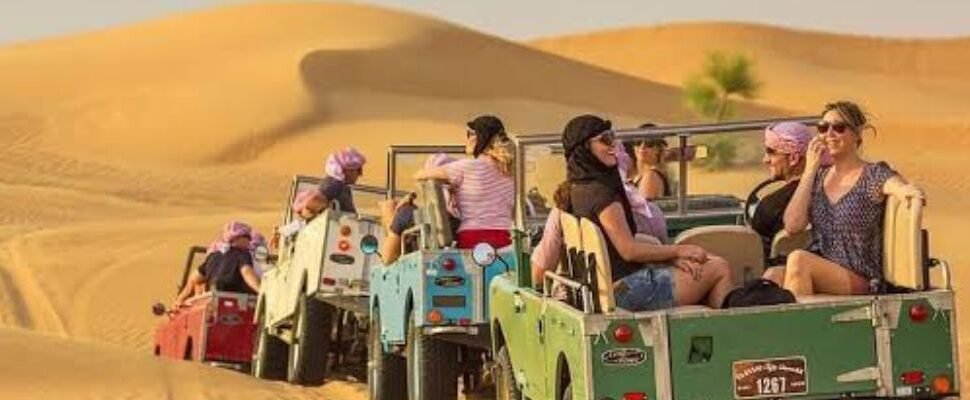
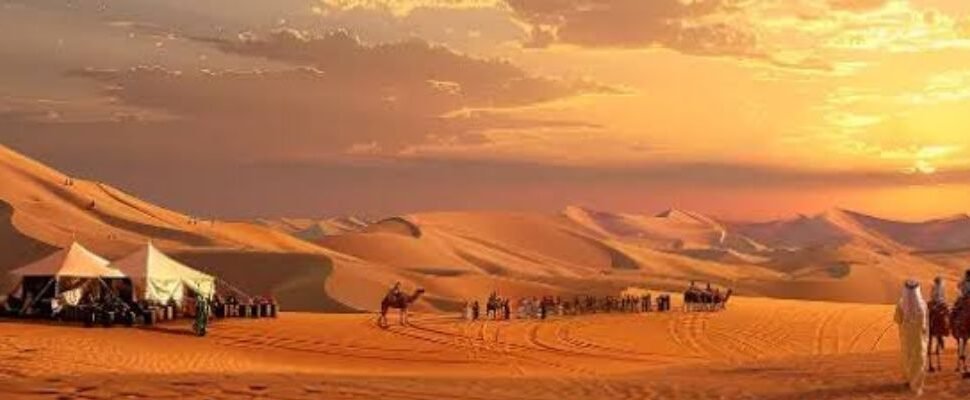
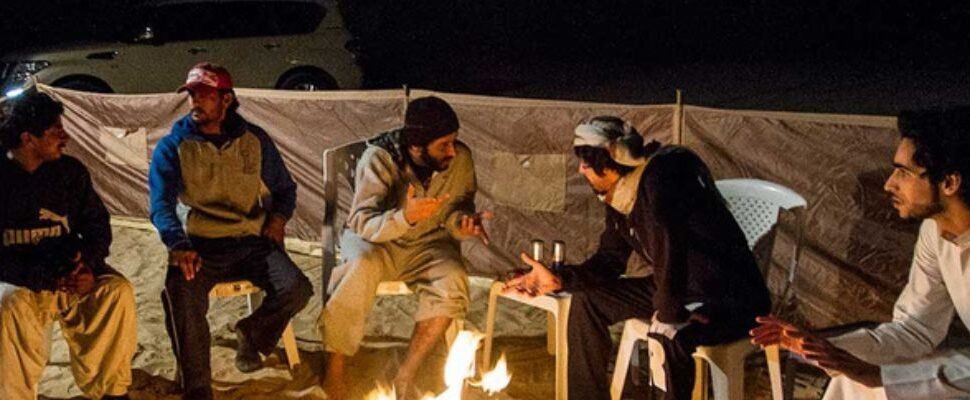
When people type “Dubai desert name” into a search engine, they usually mean either the larger desert area that Dubai is in or the specific areas of the desert that are used for safaris.
Travel guides and tours often show Dubai as part of the UAE Desert. Some of the most popular places to see are Al Qudra, Lahbab (Red Dunes), and the Dubai Desert Conservation Reserve.
You can learn how these places fit together, when the best times to visit are, and how Forever Tourism puts those names on a map into a smooth, photo-ready itinerary below.
What the Dubai Desert Name Means and Where You'll Actually Go
A lot of Dubai itineraries use “desert names” as short names for safari zones. Knowing these names can help you pick the right dunes, mood, and time to travel.
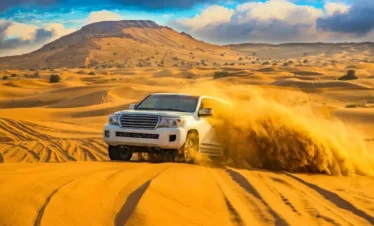
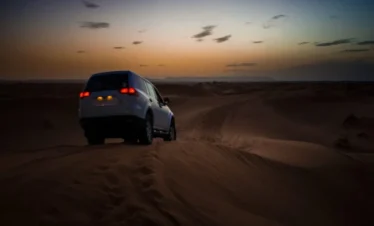
Choose Lahbab if you want to see red dunes and take pictures of the sunset that are really dramatic. Choose Al Qudra if you want a quiet place that is easy to get to. Choose DDCR if you want to see nature and animals.
Dubai Desert Name vs. Desert Touring Zones: Why People Get Mixed Up
A lot of people use the phrase “Dubai desert name” to refer to a safari spot. In reality, Dubai is in the middle of a bigger desert area. Safari companies use specific areas like Lahbab, Al Qudra, and DDCR to tell you where your tour will take place.
1. The Useful Dubai Desert Name You'll See on Itineraries
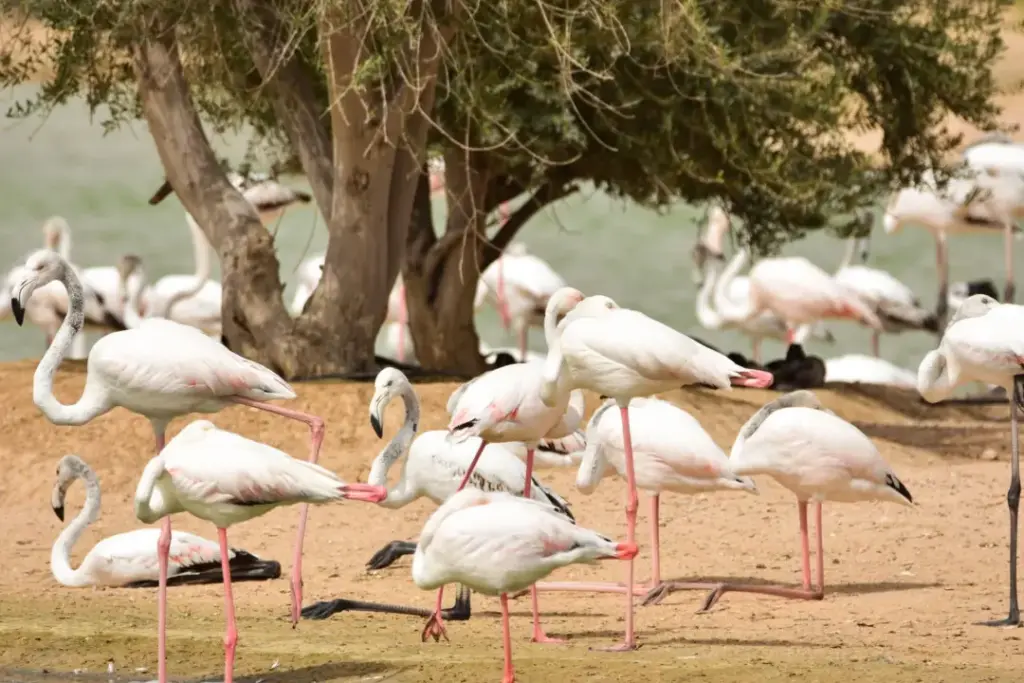
These areas make up the traveler’s view of the UAE Desert close to Dubai. A lot of the time, when people say “Dubai Desert,” they mean one of these specific touring areas.
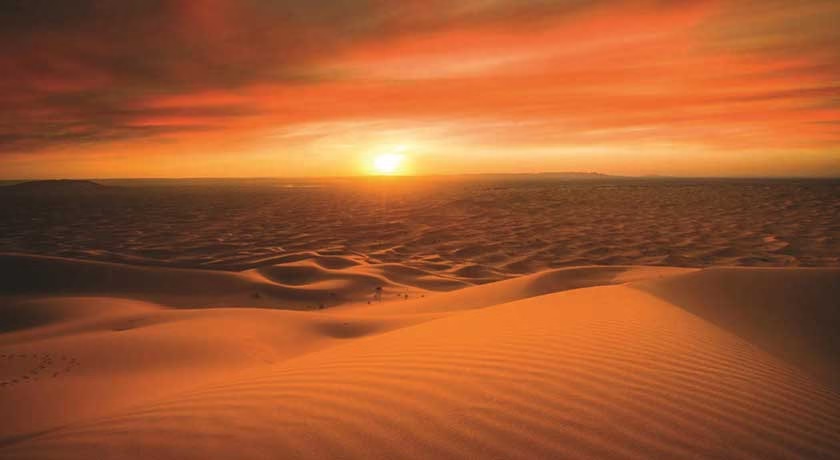
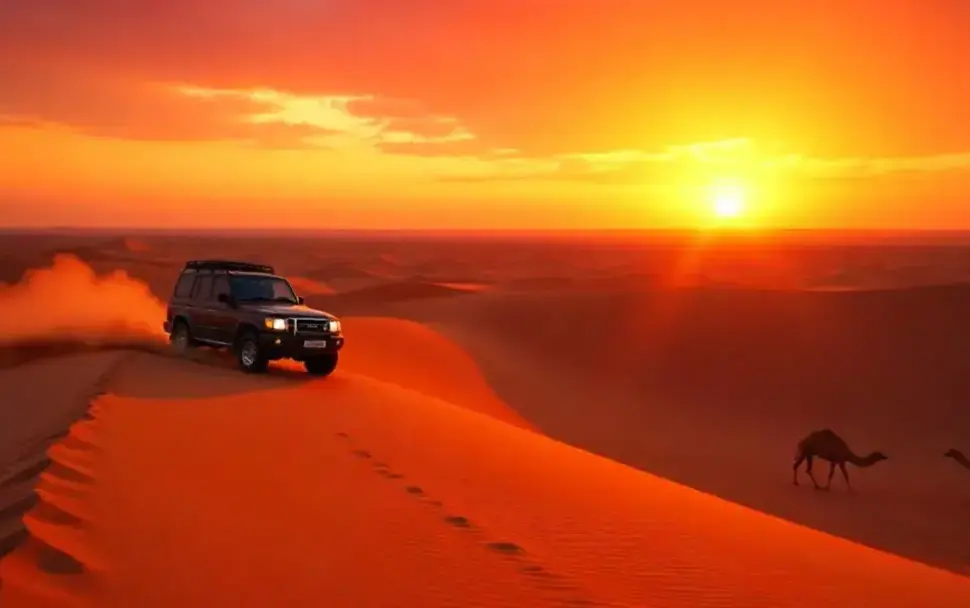
- Lahbab (Red Dunes) is known for its iron-colored sand that glows after dark. It’s the most photographed dune landscape.
- The Al Qudra desert is closer to the city, has big skies, smooth lines, and is easy to get to. It’s great for family outings and trips that start before dawn.
- The Dubai Desert Conservation Reserve (DDCR) is a safe place where you can go on guided drives to see wildlife and learn about conservation.
These places are what the traveler sees when they look at the UAE Desert near Dubai. When people talk about the Dubai Desert, they usually mean one of these different tourist areas.
Other Dubai Desert Names You May Find Online
- Dubai’s Margham Desert – Margham Desert is about 45–50 km from Dubai city. It is known for its beautiful dunes and for being an important part of Dubai’s oil and gas production, which is a big part of the emirate’s energy supply.
Margham Desert is the perfect place for people who want to experience a traditional Dubai desert safari with adventure and cultural shows. - Dubai, UAE’s Al Marmoom Conservation Reserve – Al Marmoom Conservation Reserve is about 40–50 km south of Dubai, which is about a 1-hour drive. It was set up to protect local ecosystems and encourage eco-tourism and travel that is good for the environment. Adventure sports like dune bashing and quad biking are not allowed here. .
- The Al Badayer Desert – It is close to Dubai and Sharjah in the UAE and about 40 km southeast of Dubai (about 50 minutes by car). It is known for its dramatic “Big Red” dunes, which draw serious off-road and adventure fans. Al Badayer is best for people who want to have fun and are used to exploring the desert.
- Sharjah, UAE’s Al Faya Desert – The Al Faya Desert in Sharjah is about 65 km from Dubai and offers a very different desert experience. This area is known for its prehistoric archaeological importance, with finds going back more than 200,000 years. It doesn’t have any tall dunes. The area is part of a UNESCO-recognized heritage landscape that shows where people first settled in the area.
2. Which Dubai Desert Should You Pick for Your Trip?
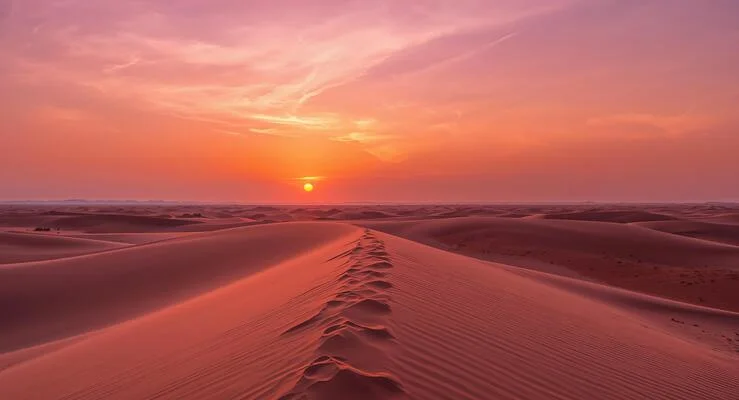
If you want epic dunes, easy access, or a nature-led itinerary that feels quieter and more guided, your best desert zone will depend on what you want.
- If you want classic dune shots, go to Lahbab (Red Dunes).
- Go to Al Qudra for easy access and a more peaceful vibe.
- If you want to see wildlife and nature, book DDCR trips.
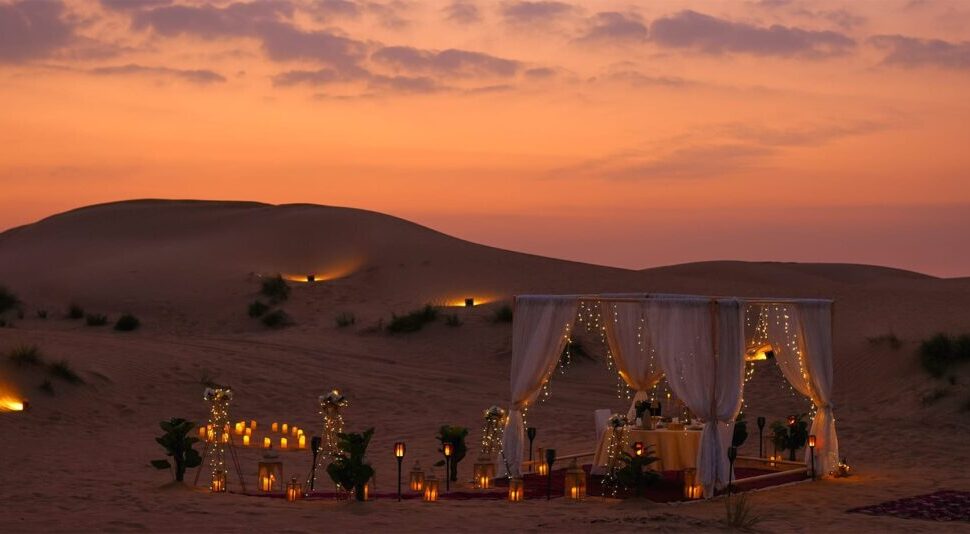
Private tours can also include a beautiful drive and a micro-camp dinner for a more personal touch.
3. The Best Time To Visit (Light = Mood)
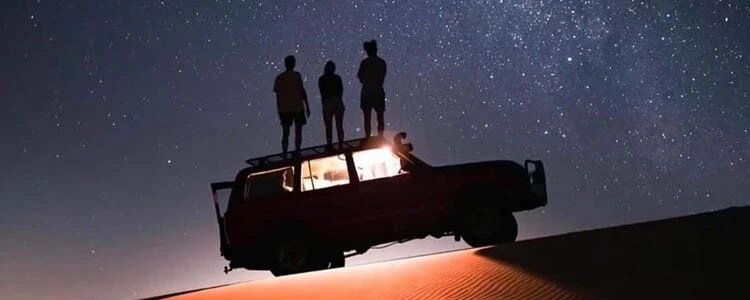
- Morning Safari has cooler air, softer light, and quieter dunes, making it an excellent choice for families and first-time visitors.
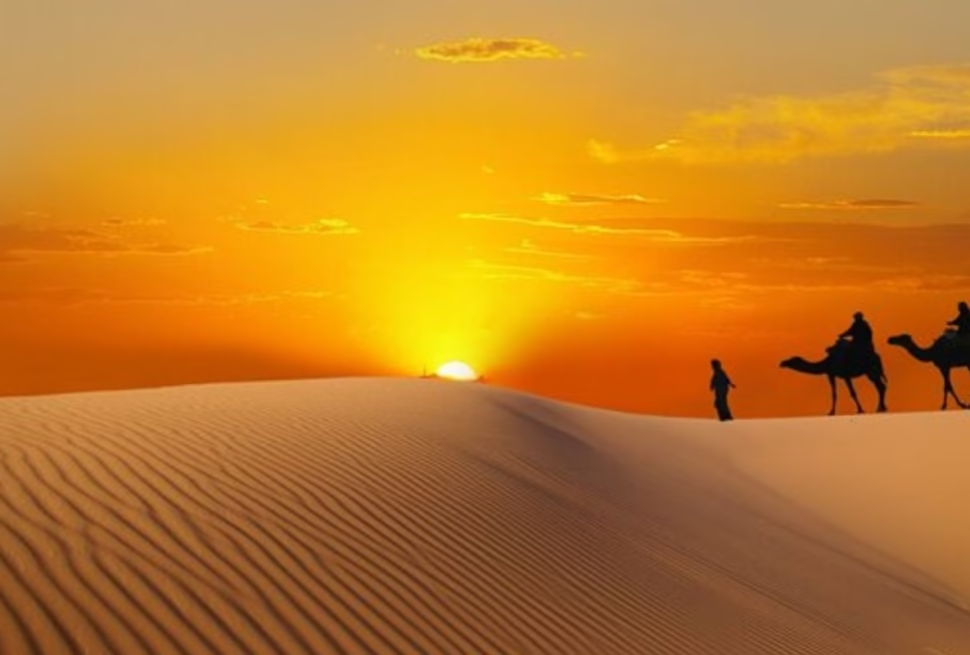
- Evening Safari is the most popular choice because it includes golden-hour photography, a camp meal, and live entertainment.
- Overnight Safari goes from twilight to daybreak and has stargazing and morning silhouettes for a second photo mood.
4. Things To Do That Work For Everyone
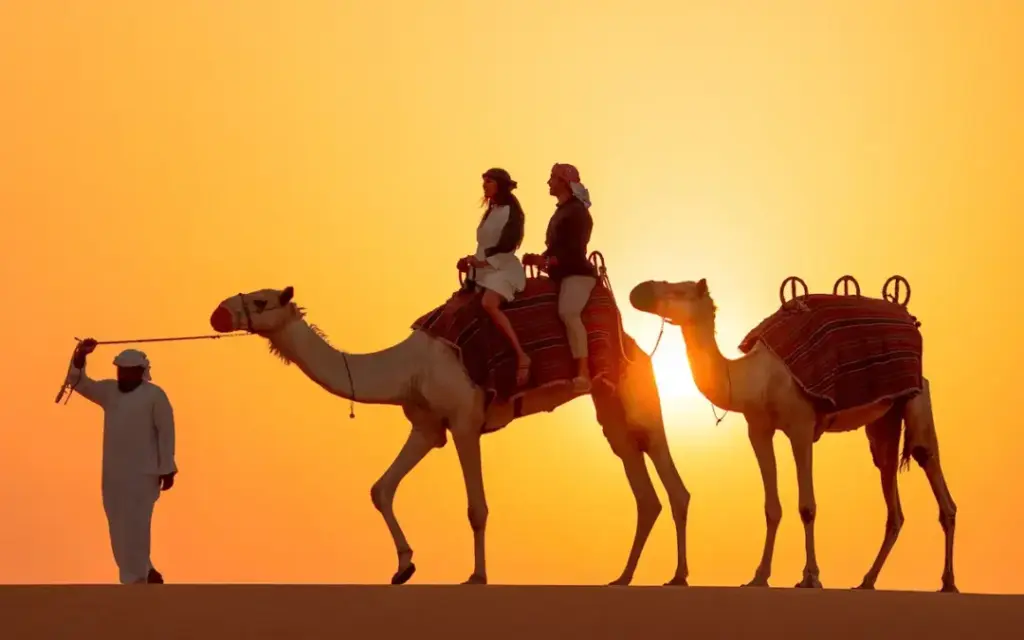
One activity planning tip is to choose one “must-do” activity and plan everything else around it. This will help you stay on schedule and make sure your group doesn’t feel rushed.
- Conservation drive (DDCR) for a nature-led itinerary
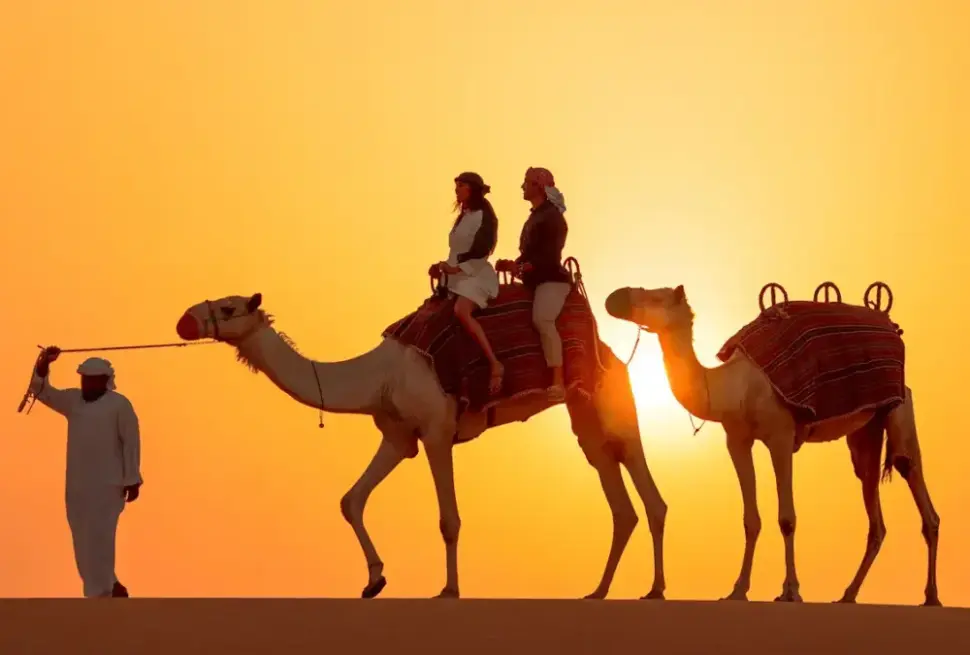
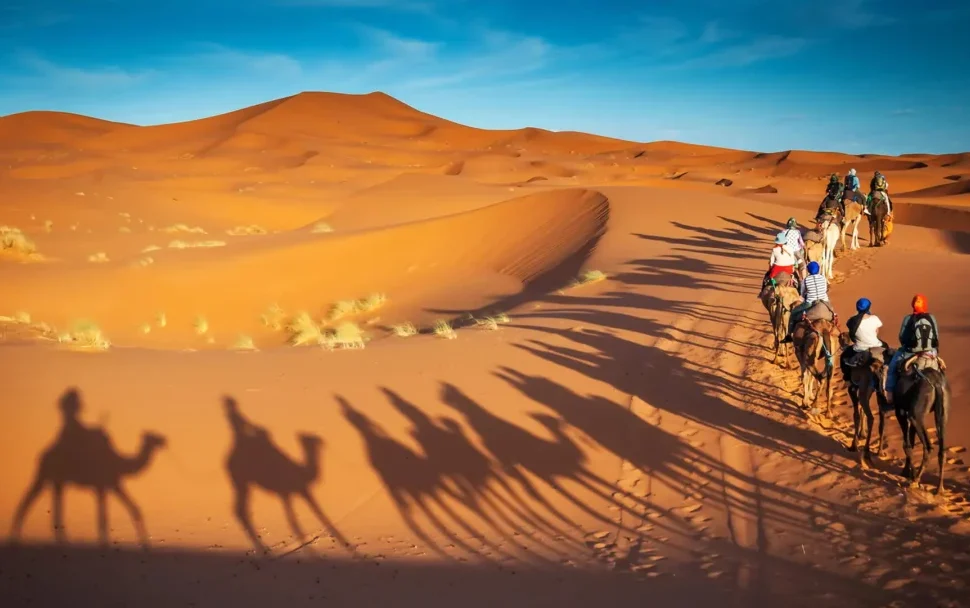
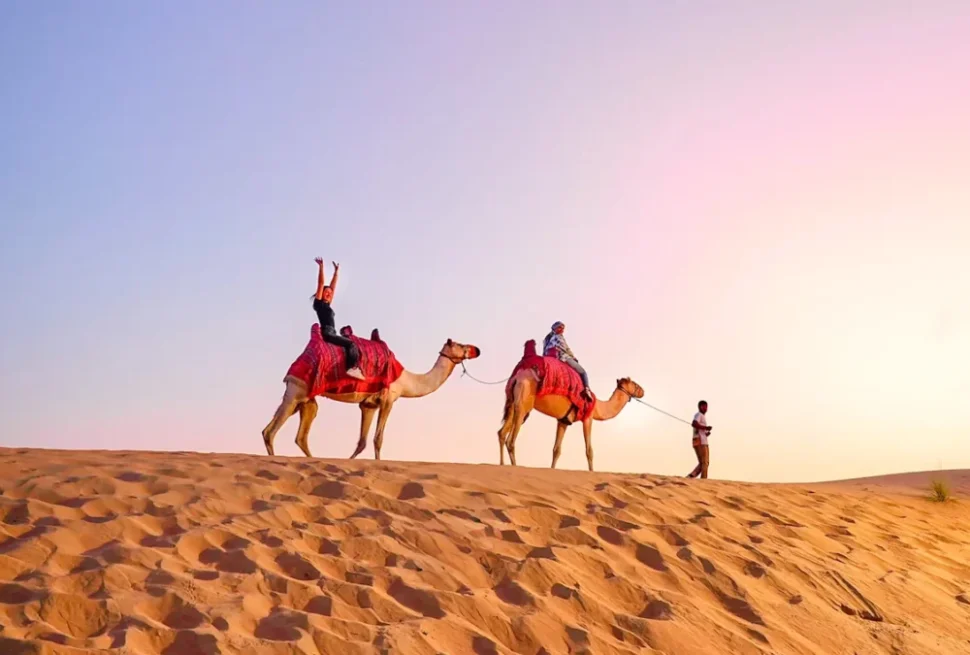
- Take a short Camel ride to get memorable pictures.
- Sandboarding / sand sledding on gentle slopes
- down mild hills.
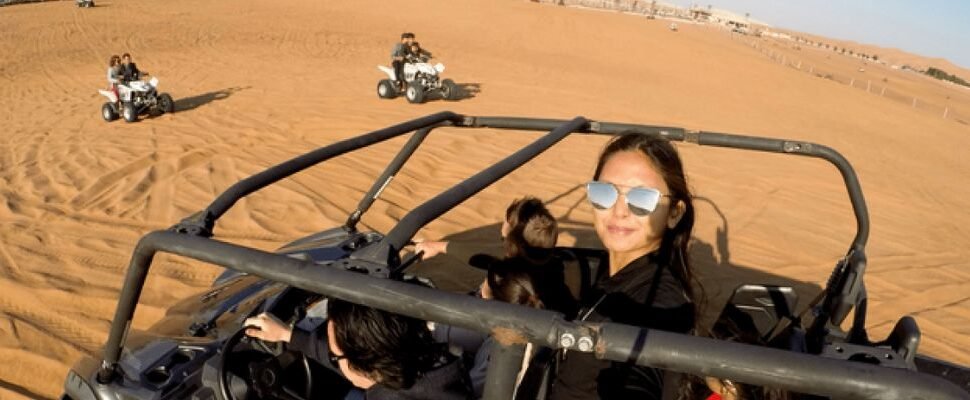
- Quad bikes and dune buggies are allowed on specified trails (preferably before dusk).
- Falcon photo stop (depends on the venue) for a typical Arabian touch.
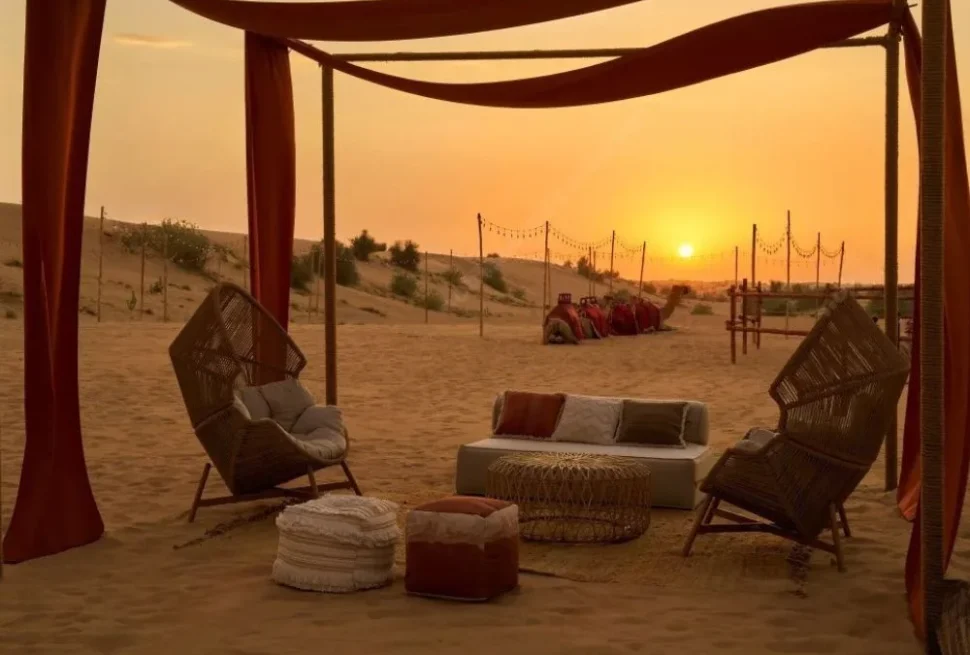
- VIP camp choices with a plated meal, live music, and exclusive seating. A conservation drive (DDCR) for a nature-led program.
5. Photo Plan You Will Really Use
This is a short list you can use in real life to make sure you don’t miss the best light, the best ridge, and the most flattering angles in the desert.
- Get to the ridge 25 to 40 minutes before dusk to see silhouettes.
- Shoot across ripple lines in side light to get texture.
- Wardrobe tip: Red dunes look well with neutrals like white, beige, and denim.
- For moving shots, keep a light scarf on hand, and for sand, a phone towel.
Where Each Dubai Desert Fits On A Simple Map
Some areas are closer to the city and are good for quick morning trips. Red-dune areas, on the other hand, tend to be more dramatic and are often used for classic evening safari photos. Conservation areas are meant for drives that focus on nature, not high-speed dune rides.
Policy on What is Included, What is Not, and How to Cancel
What is Included in a Typical Desert Program
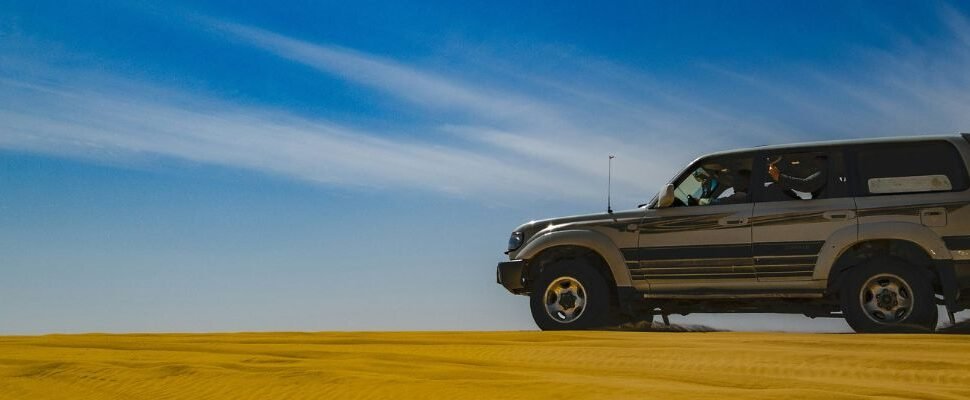
- Pick-up and drop-off at the hotel in a licensed 4×4 (shared or private)
- Driver-guide briefing and adjustable routing (dune smashing or scenic)
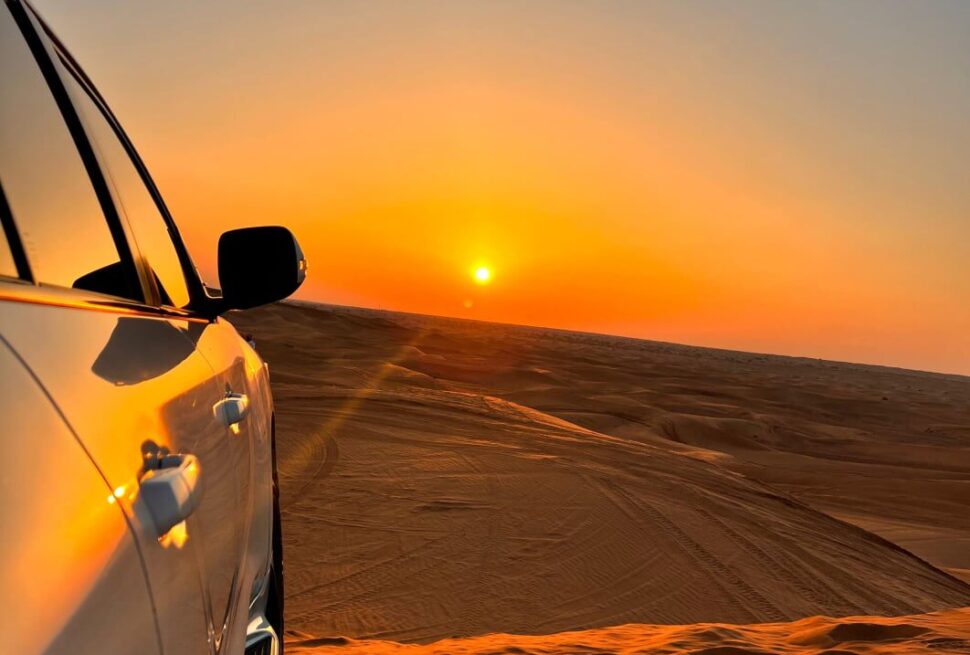
- Stop for photos at sunrise and sunset on certain ridges
- Camel ride (short loop) and sandboarding (mild slope)
- Arabic coffee, dates, and soft beverages are available at the camp.
- Dinner on the grill and planned live entertainment for the night and morning
Not Included (Until Added)
- Quad bikes / dune buggies, VIP seating, and professional photos and videos
- Installations of high-end decor or choreography for proposals
- Extra fees for pickups outside of the zone or late at night, if applicable
Policy for Cancelling
We don’t have a policy for canceling any kind of booking. We will only start the refund process if we can’t give clients tickets because of something that went wrong on our end. This will help you feel better if your plans alter at the last minute.
Common Questions About the Dubai Desert Name
Q1: What is the right name for trips in the Dubai Desert?
Most itineraries mention the UAE Desert near Dubai, which includes Lahbab (Red Dunes), Al Qudra, and the Dubai Desert Conservation Reserve.
Q2: What is the ideal area for people who are new?
Al Qudra for easy and quiet treks; Lahbab for stunning photos of red dunes.
Q3: Is it possible to avoid dune bashing?
Yes. Pick a beautiful route that doesn’t have much bashing and gives you more time to take pictures, but still includes all the same things at camp.
Q4: Is the desert a good place for families?
Absolutely. We tailor the drive, provide stops, and give child seats for private reservations.
Q5: When should I make a reservation?
For October–April, reserve 1–3 weeks ahead; sunset and VIP slots fill first.
Ready to Plan Your Dubai Desert Safari?

Tell us your date, hotel area, group size, and preferred pace (morning, evening, or overnight; spirited or scenic). We’ll align your route—Lahbab, Al Qudra, or DDCR—so your Dubai Desert Name search becomes a smooth, memory-rich day in the UAE Desert.
For assistance:
How to Contact?
Call us at +971 43889941
WhatsApp us at +971565481112
Email us at [email protected]