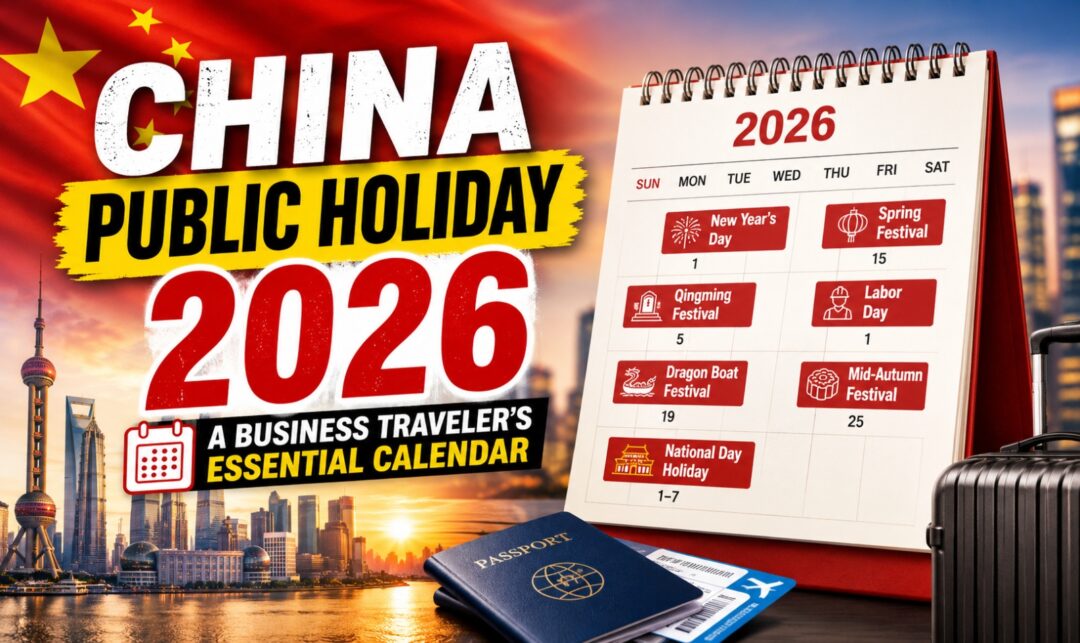
Understanding the public holiday calendar of the country is essential to prevent disruptions, organize meetings effectively, and maintain smooth business operations.
Government offices, banks, factories, logistics providers and many businesses may close or have limited capacity during major holidays.

Why Public Holidays Matter To Business Travelers?
In many countries public holidays only cause minor disruptions. But major Chinese holidays can affect whole industry.
Manufacturing plants may be shut down for a time, logistics networks may be disrupted, government offices may be closed, and employees often take long vacations to return home.
For the business traveler this means:
- Delayed production schedules
- Reduced government services
- Higher travel and accommodation costs
- Increased domestic travel congestion
Planning around these holidays can save you both time and money.

Major Public Holidays in China in 2026
New Year’s Day (January 1st)
The year starts with a one-day public holiday. Disruptions are generally limited, but government offices and many businesses close for the day.
Chinese New Year (Spring Festival)
The most important holiday in China, the Spring Festival, is expected to take place in mid-February in 2026. It’s known as the world’s largest annual migration, with millions of people traveling home to be with family.
Many factories will begin to slow down production one to two weeks before the official holiday and may not go back to full capacity immediately after the holiday. If you have any planned factory inspections, supplier audits or contract negotiations, do not schedule them during this period.

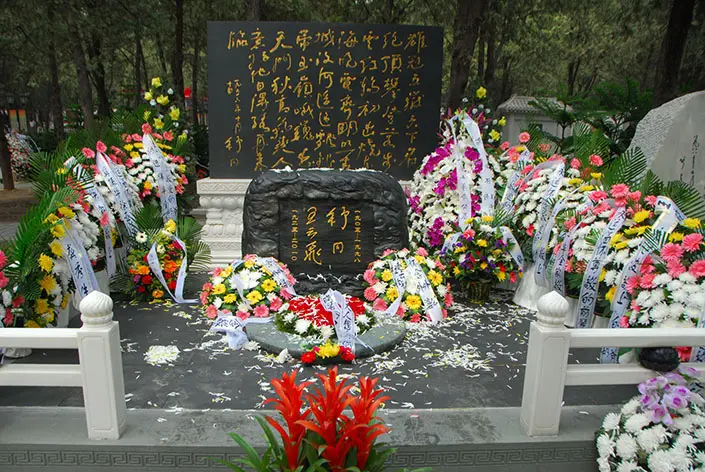
Qingming Festival (April)
Qingming, also called Tomb Sweeping Day, is a traditional holiday for families to honor their ancestors. Travellers should still be aware of reduced business activity, which is less disruptive than Spring Festival.
Labor Day (May 1)
Labor Day has become one of the busiest travel periods for China. Many residents take the opportunity to travel within the country.
Dragon Boat Festival (June)
This holiday is usually celebrated with dragon boat races and traditional rice dumplings, and typically leads to a short nationwide break.

Mid-Autumn Festival (Sept)
The Mid-Autumn Festival is one of the most beloved traditional festivals in China and it is all about getting together with family and mooncake traditions.
Business disruptions are usually minor, but some organizations may have reduced staff levels during the holiday period.
National Day Golden Week (1-7 October)
If there is any one holiday that business travelers should avoid, it is Golden Week. The seven-day holiday is to celebrate the founding of modern China and creates huge domestic travel demand. Tourist attractions, transport nodes and hotels are working at full capacity.
The problem with international visitors is that doing business in this period is extremely difficult.
Best Months for China Business Travel 2026
If you can be flexible with your schedule, consider visiting during:
- March: Business operations resume to normal after Spring Festival, a good time to visit suppliers and hold meetings.
- April (After Qingming Festival): Good weather and fairly steady business activity.
- June: A good month for travel, with less disruption.
- November: Often regarded as one of the best months for business travel, with mild weather and few holiday interruptions.

Helpful Tips for Business Travel
- Check Holiday Dates Ahead of Time: Many businesses change their working hours around public holidays. Always check availability before booking travel.
- Plan Factory Visits Carefully: Plants may shut down prior to a holiday and take time to ramp back up to full production.
- Book your transportation early: Flights and high-speed trains during Spring Festival and Golden Week can be booked out weeks ahead.
- Expect Delays Government Service: During holiday periods, administrative procedures, permits and visa extensions can be longer.

FAQs -
What is the biggest holiday in China?
The Chinese New Year (Spring Festival) is the most important holiday and has the biggest impact on business, manufacturing and transportation.
Which Chinese holiday has the biggest effect on factories?
The largest factory closures and supply chain disruptions occur during the Spring Festival.
When should I not schedule supplier visits?
Avoid Spring Festival and Golden Week visits when most factories and offices are closed.
What is the best time to go to China for business in 2026?
March, June and November are usually the most productive months for business travelers, with stable operations and fewer holiday disruptions.

For assistance:
Use the method that’s easiest for you – call, WhatsApp, or email – and we’ll help you choose the right plan.