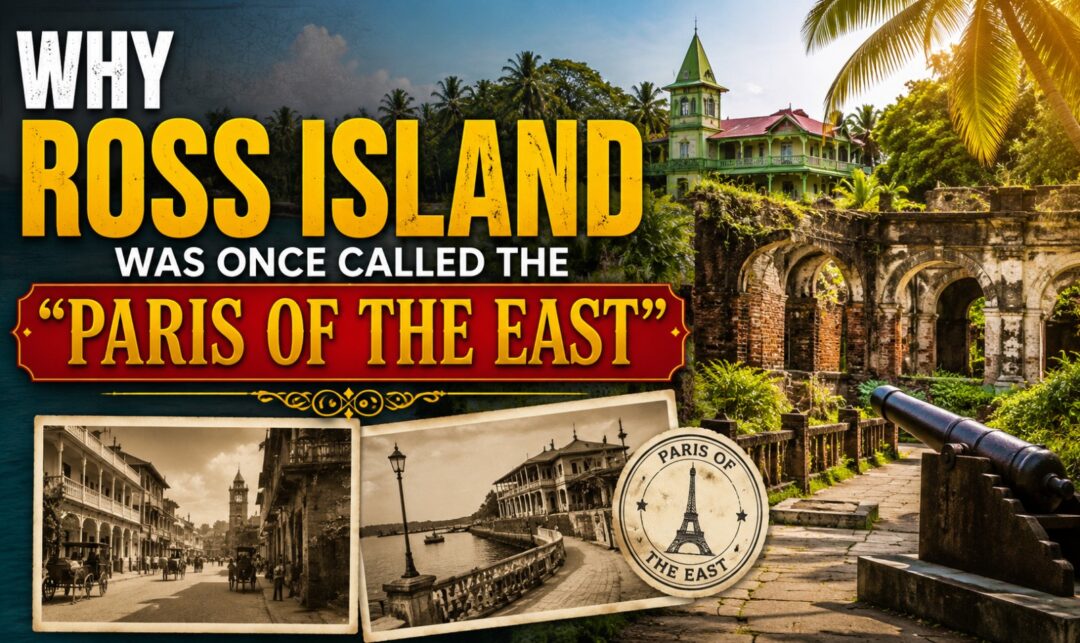
Ross Island (now officially known as Netaji Subhas Chandra Bose Island) served as the administrative headquarters of the British in the Andaman and Nicobar Islands.
It was known as the “Paris of the East” for its elegant architecture, luxurious life style and well planned infrastructure. That is why this tiny island was one of the most sophisticated colonial settlements in Asia.

A Center of Colonial Opulence
Ross Island was designed under the British regime as a colony for senior officials only. The island, with its large bungalows, elaborate gardens, tennis courts, swimming pools and sumptuous ballroom, epitomised the luxury lifestyle of the British elite.

Great European Architecture
The island was proud of its magnificent colonial architecture built in the European style. Churches, government buildings, bakeries and hospitals, officers quarters were all built with a fine craftsmanship that gave Ross Island a distinctly European look.

Modern Facilities
Ross Island had many modern conveniences, unusual for the time. It had electricity, a water filtration system, paved streets and efficient drainage, and was one of the most modern settlements in the region in the late 19th and early 20th centuries.

A Dynamic Social and Cultural Centre
The island was the site of dances, theatrical performances, concerts and formal events by the British. The social life at these gatherings was lively, adding to the city’s reputation as the “Paris of the East.”

Nature Reclaimed the Island
The island went into decline after a massive earthquake in 1941, and during the Japanese occupation in World War II. Today the giant banyan tree roots entwine the abandoned colonial buildings, creating a distinctive blend of history and nature.
FAQs -
Why was Ross Island called the “Paris of the East”?
The name derived from its colonial lifestyle filled with luxury, beautiful European buildings, modern infrastructure and active social life of British period.
Can tourists visit Ross Island?
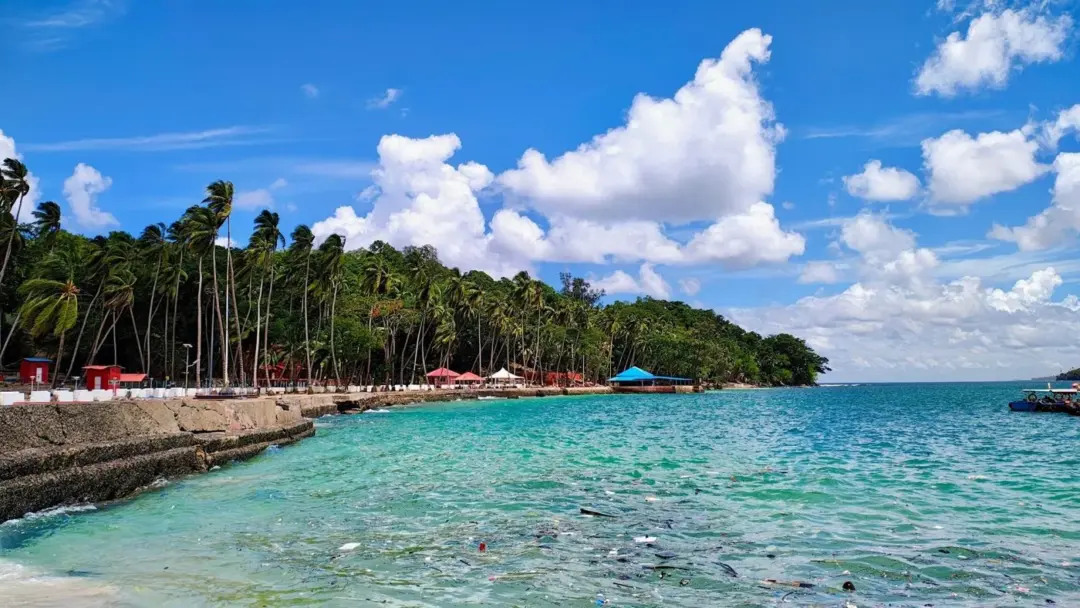
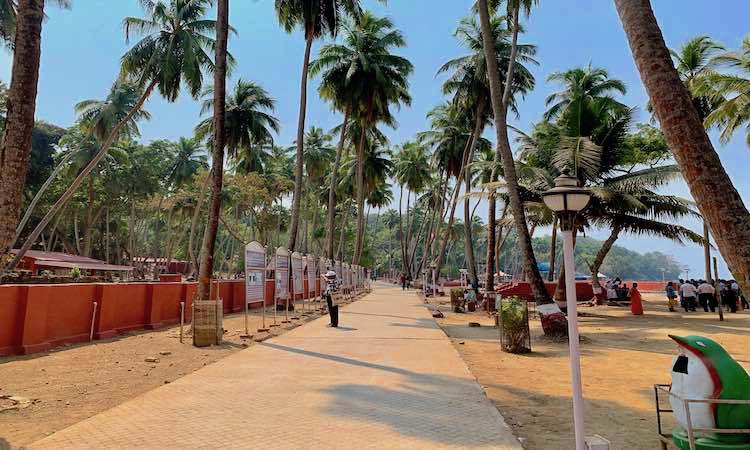
Yep Tourists can visit the island and appreciate the natural beauty and historic ruins by ferry from Port Blair.
What happened to Ross Island?
After the earthquake of 1941 and the Japanese occupation during World War II the island began to decline. Eventually it was abandoned, and nature reclaimed much of the settlement.
For assistance:
Use the method that’s easiest for you – call, WhatsApp, or email – and we’ll help you choose the right plan.