Char Dham Yatra is not just a religious journey but an emotional, spiritual and unforgettable experience in the Himalayas of Uttarakhand. This holy pilgrimage of Yamunotri, Gangotri, Kedarnath and Badrinath attracts millions of devotees every year.
But behind the temples and prayers are fascinating mysteries, ancient legends and unbelievable secrets that many travellers still do not know about.
Here are 7 Secrets of Char Dham Yatra that will really surprise you.

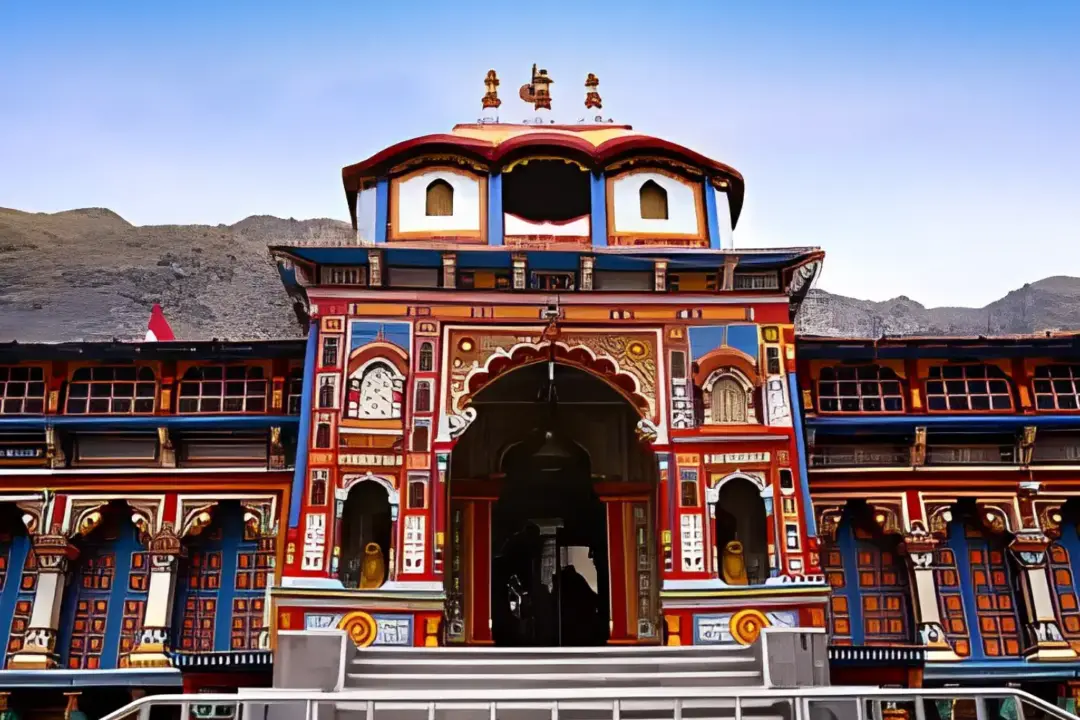
1. The Eternal Flame of Badrinath
One of the biggest mysteries of Badrinath Temple is the Akhand Jyoti. A lamp that is believed to stay lit even after the temple closes during winter.
Heavy snow closes the temple for nearly six months but devotees believe that the divine flame keeps burning inside until the doors are reopened in summer.
Many pilgrims view this as a sign of divine presence and protection.
2. Kedarnath Temple Survived Nature’s Fury
The 2013 Kedarnath floods devastated large parts of the surrounding area but the temple itself survived.
A huge rock, now known as Bhim Shila, came and stopped just behind the temple and diverted the flood waters away from the temple. Many devotees considered it to be nothing less than a miracle.
The temple structure also withstood centuries of severe weather because of its robust stone construction techniques, scientists said.

3. Gangotri’s Hidden Shivling Is Visible Only in Winters
Near Gangotri Temple is the mysterious Jalmagna Shivling. As per mythology, Lord Shiva controlled the force of River Ganga here before she came down to Earth.
In summer the Shivling is under water due to high flow of river. In winter when the water levels are low, the sacred rock is seen.

4. Natural Hot Water Springs Exist in Freezing Temperatures
Pilgrims at Yamunotri and Badrinath witness boiling hot water springs amidst snow-covered mountains.
Devotees boil rice and potatoes in the natural hot water at Yamunotri’s Surya Kund and offer it as prasad.
The contrast between glaciers and steaming water still fascinates travelers and scientists.

5. Conch Shells Are Not Blown at Badrinath
Unlike most Hindu temples, blowing of conch shell is not allowed in Badrinath Temple.
There is a local legend about a demon called Vatapi who hid in a conch to evade Sage Agastya. Then, the tradition of blowing conch has been stopped inside temple premises.
This peculiar ritual sets Badrinath apart from other major Hindu temples.

6. Char Dham Have a Specific Order to Visit
Many first-timers are not aware that Char Dham Yatra follows a strict spiritual route.
Traditionally, the pilgrims go clockwise:
Yamunotri –> Gangotri –> Kedarnath –> Badrinath
This sequence is believed to complete the sacred parikrama of Himalayas and bring spiritual fulfillment.
Suggested read: Char Dham Yatra 2026 Booking Open – 12 Days Ex-Delhi | 21% OFF

7. The Journey Is Believed to Lead to Moksha
Hindus believe that the Char Dham Yatra brings devotees closer to moksha — or liberation from the cycle of birth and death.
Each dham embodies various spiritual energies:
- Yamunotri is a mark of purity
- Gangotri means purification
- Kedarnath is the symbol of devotion and strength
- Badrinath means salvation
For many pilgrims the journey is more transformational than the destination itself.

FAQs -
Is Char Dham Yatra hard?
Some routes have trekking and high altitude especially Kedarnath but with proper planning the journey is possible.
Can elderly perform Char Dham Yatra?
Yes, many of the senior citizens undertake the yatra with the help of helicopter services and comfortable tour packages.
How many days are required for Char Dham Yatra?
Most pilgrims take 10–12 days to complete the journey.
Which dham is most difficult to reach?
Kedarnath is the most physically demanding because of the trek.
Why should we visit Char Dham?
It is believed to wash away the sins, give spiritual peace and help the devotees attain salvation.
For assistance:
Use the method that’s easiest for you – call, WhatsApp, or email – and we’ll help you choose the right plan.