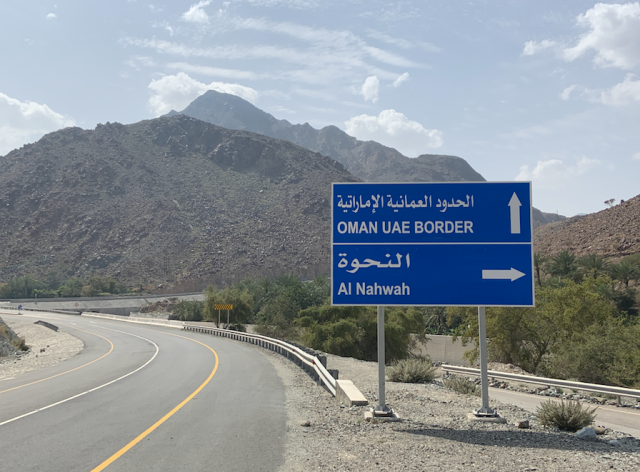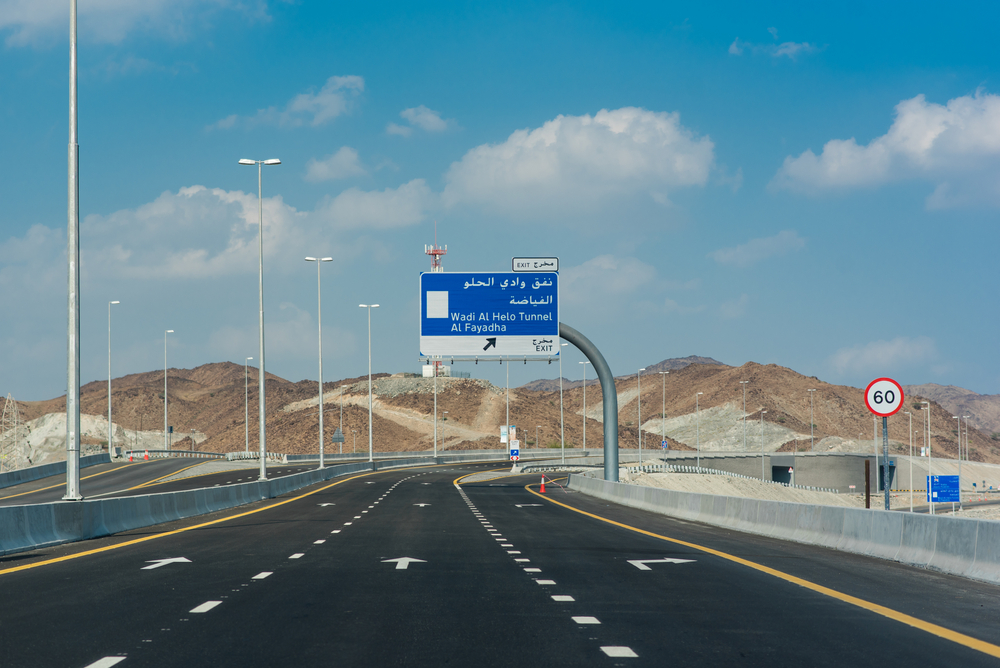
People who live in the UAE or visit Oman often choose to drive there from the UAE. Hatta and Al Ain are two of the most common border crossings, but many travelers run into problems they didn’t expect when they try to cross.
Because of the current political tensions in the Middle East, flights are being delayed and travel plans are uncertain. As a result, more people are thinking about driving to nearby countries like Oman. Because of this, border crossings are getting busier, and travelers need to be better prepared.
Here are some of the most common problems that travelers have at the UAE–Oman border and how to avoid them:
1. Confusion about visas and who can get one
One of the biggest problems travelers have is not understanding the rules for getting a visa to Oman.
A lot of people think they can just get a visa when they arrive, but whether or not they can depends on their nationality, where they live in the UAE, and how long they plan to stay. Some travelers need an eVisa before they get to the border, while others can get a short visa when they get there.
Travelers who don’t have the right visa approval may not be allowed to enter or may have to apply online before crossing, which could cause delays or make them turn back.
2. Not Having the Right Paperwork for the Car
If you’re driving from the UAE to Oman, it’s very important to have the right paperwork for your car. Border officials usually want:
- Card for registering a car
- A valid driver’s license
- Car insurance in Oman (Orange Card)
- You also need written permission from the rental company to take a rental car across the border. At the checkpoint, many travelers only find out about this requirement, which causes long delays or being turned away.

3. Long lines and delays at the border
During weekends, holidays, and peak travel seasons, border crossings can get very busy. Immigration checks, vehicle inspections, and document checks often cause long lines for travelers.
Since more people are driving instead of flying because of problems with flights in the area, border checkpoints can take a lot longer to get through. Some travelers say they have to wait for hours during busy times.
4. Fees for entering and leaving
A lot of people who travel don’t know that there are fees to cross the border. At the border, you have to pay the UAE exit fee and the Oman entry visa fee. You may also have to pay extra for vehicle insurance.
Not knowing these costs ahead of time can make things confusing and slow things down at immigration counters.
5. Travel Problems Because of Tensions in the Area
Travelers are unsure about what will happen in the Middle East right now because of the current tensions. Some airlines have changed their schedules or rerouted flights because flight paths in some parts of the region have been disrupted. As a result, more and more people are looking for other ways to travel, like driving to Oman.
But when there is geopolitical instability, the government may add extra security checks or temporary travel warnings. Before crossing the border, travelers should check official updates.

6. Not Having the Most Up-to-Date Information
Using old travel information is another big problem. Over time, the rules for visas, the requirements for crossing borders, and the fees may change. A lot of people who travel still use old blogs or forum posts that don’t show the most up-to-date rules.
Before you go, it’s a good idea to check official immigration websites or travel advisories to avoid problems.
Final Thoughts
If you plan ahead, crossing the UAE-Oman border by car can go smoothly. The most important things to do are to check visa requirements, have the right vehicle documents, know the costs of crossing the border, and keep up with the latest travel warnings.
Travelers can avoid common problems and have a smooth trip between the UAE and Oman if they plan ahead.